 (605) 840-1531
  sanespor@gwtc.net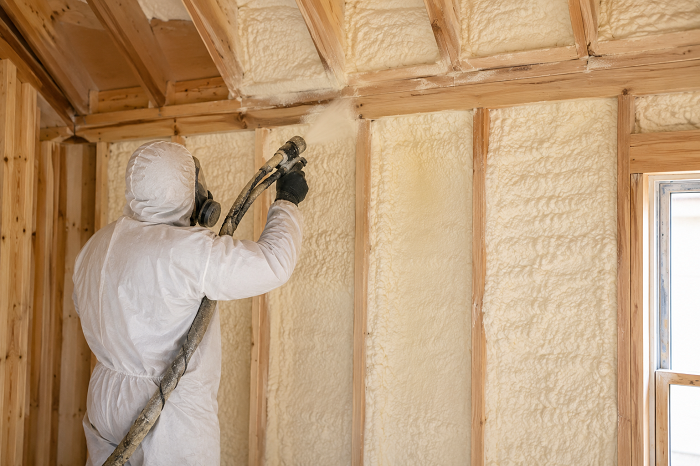
If you have lived in South Dakota for more than one winter, you already know the drill. The wind picks up, the thermostat climbs, and somehow your living room still feels like a walk-in cooler. Then summer rolls around and your air conditioner runs nonstop just to keep the house from turning into a sauna. Sound familiar? You are not imagining it, and you are definitely not alone.
Most homeowners assume a higher energy bill is just the cost of living somewhere with real seasons. But in a huge number of cases, the actual problem is hiding inside your walls, attic, and crawl space. Old, thin, or poorly installed insulation lets conditioned air slip right out, forcing your HVAC system to work overtime year after year. That is where a proper Spray Foam Insulation Service in SD comes into the picture, and honestly, it might be the single most overlooked home upgrade in the state.
We are going to walk through why this matters so much here specifically, how the technology actually works, what kind of savings you can realistically expect, and how to know if it is the right move for your home. No fluff, no sales pitch buried in jargon, just the information you need to make a smart call.
Why South Dakota Homes Are Especially Vulnerable
South Dakota does not do “mild” weather. We swing from bitter, sub-zero winters to blistering hundred-degree summers, sometimes within the same calendar year. That kind of temperature range puts enormous stress on a home’s building envelope, which is just a fancy way of saying the barrier between your indoor comfort and the outdoor chaos.
Traditional insulation materials like fiberglass batts were never really designed for this kind of extreme swing. Fiberglass works fine when it is installed perfectly, but in the real world, gaps, compression, and settling happen constantly. Over time, tiny air pockets form around wiring, plumbing, and framing, and those gaps become highways for heat loss in winter and heat gain in summer.
This is exactly why so many families across Sioux Falls, Rapid City, and the smaller towns in between have started looking into a Spray Foam Insulation Service in SD as a long-term solution rather than a quick patch job. Spray foam expands into every crack and crevice as it cures, creating a continuous, airtight seal that fiberglass simply cannot match.
How Spray Foam Actually Works (Without the Chemistry Lecture)
At its core, spray foam insulation is made by combining two liquid components, a polyol resin and an isocyanate, that react on contact. When applied through specialized equipment, the mixture expands rapidly, often to many times its original volume, and hardens within seconds. That expansion is what allows it to fill odd-shaped gaps and tight corners that batts or blown-in materials tend to miss.
There are two main types worth knowing about:
Open-cell spray foam is lighter and more flexible, with a lower R-value per inch, typically around 3.5 to 3.7. It is a solid choice for interior walls and areas where sound dampening matters, and it tends to be more budget-friendly.
Closed-cell spray foam is denser and far more rigid, delivering an R-value of roughly 6 to 7 per inch. It also acts as a built-in vapor barrier, which makes it the preferred choice for basements, crawl spaces, pole barns, and metal buildings where moisture control is just as important as thermal performance.
The right choice really depends on the specific area of your home and your budget, which is why working with an experienced crew matters so much. A rushed or improperly mixed application can lead to shrinkage, off-gassing, or poor adhesion, and that is a headache nobody wants to deal with after the fact.
The 50% Energy Savings Claim: Is It Actually Real?
It sounds like marketing exaggeration until you look at the numbers. Homes upgraded from standard fiberglass to properly installed spray foam commonly see energy savings in the 30 to 50 percent range, according to data cited by insulation contractors across the Midwest. The reason is straightforward: air leakage accounts for a massive chunk of residential heat loss, often more than the insulation’s R-value alone.
Think of it this way. A wool sweater keeps you warm, but if it is full of holes, the wind still cuts right through. Fiberglass insulation is a bit like that sweater with gaps. Spray foam closes those gaps entirely, so your furnace and air conditioner are not constantly fighting a losing battle against drafts.
Homeowners who invest in a quality Spray Foam Insulation Service in SD often report noticeably fewer cold spots near exterior walls, less noise bleeding in from outside, and a more even temperature from room to room. It is one of those upgrades where you genuinely feel the difference within the first few weeks, not just see it on a bill months later.
Beyond the Bill: Moisture, Mold, and Air Quality
Energy savings tend to get all the attention, but there is another benefit that deserves just as much credit: moisture control. South Dakota’s humidity swings, combined with snowmelt and seasonal condensation, create real opportunities for mold and mildew to take hold in poorly sealed homes.
Closed-cell spray foam in particular acts as a moisture barrier, blocking water vapor from infiltrating wall cavities and crawl spaces. That matters more than people realize, because trapped moisture behind traditional insulation can quietly rot framing and feed mold growth for years before anyone notices a problem.
There is also the pest angle, which nobody likes to think about but everyone appreciates once it is solved. The airtight seal created by spray foam makes it significantly harder for mice, insects, and other unwanted guests to sneak through tiny gaps in your foundation or siding. Combine that with better indoor air quality from reduced dust and allergen infiltration, and you start to see why this is about a lot more than just a lower thermostat setting.
What to Expect From the Installation Process
If you are picturing a massive, disruptive renovation, you can relax a little. Most spray foam projects, especially retrofits, are completed faster than people expect. Installers typically prep the work area, protect surfaces that should not get overspray, and then apply the foam using specialized rigs that mix the components on site.
Timing matters here too. Spray foam is usually installed after electrical and plumbing rough-in is complete but before drywall goes up, since access to studs and framing becomes difficult once the foam cures. For existing homes, that means certain areas like attics, crawl spaces, and rim joists are the most practical retrofit targets, while full wall cavity replacement usually happens during a larger renovation.
A trustworthy provider will walk you through an inspection first, explain which areas of your home would benefit most, and give you a clear, honest estimate rather than pushing an upsell you do not actually need. That kind of transparency is a big part of what separates a good contractor from one you will regret hiring.
This is where local experience really pays off. A team like Nespor Contracting Inc, working directly in South Dakota conditions, understands how our specific climate swings affect insulation performance in ways a generic national company simply would not. Local expertise means fewer surprises and a system built for the weather you actually deal with, not a one-size-fits-all national average.
Is It Worth the Upfront Cost?
This is the question everyone asks, and it deserves an honest answer. Spray foam typically costs more upfront than traditional fiberglass or blown-in cellulose. There is no getting around that. But the comparison only makes sense when you look at total cost over time, not just the invoice on installation day.
Between the reduced energy bills, fewer HVAC repairs from a system that is not constantly overworked, and the added protection against moisture damage and pest intrusion, most homeowners recover their investment within a handful of years. After that, it is essentially pure savings for the rest of the home’s life, since properly installed spray foam does not sag, settle, or degrade the way older materials do.
If you are planning to stay in your home for the long haul, a Spray Foam Insulation Service in SD tends to pay for itself faster than most other home improvement projects you could tackle. And if resale value matters to you, energy efficient homes are increasingly attractive to buyers who have seen their own utility bills climb in recent years.
Choosing the Right Team for the Job
Not all installers are created equal, and this is one project where cutting corners on labor really shows up later. Look for licensed, insured applicators with hands-on field experience, not just a sales team reading from a script. Ask about certification, how long they have been actively spraying foam themselves, and whether they offer any warranty coverage on workmanship.
A reputable Spray Foam Insulation Service in SD provider should be willing to answer your questions directly, explain the pros and cons of open-cell versus closed-cell for your specific situation, and give you a realistic timeline. If a company is vague about any of that, take it as a signal to keep looking.
Final Thoughts
Insulation is not the most exciting home improvement project on paper, but it might be one of the most impactful ones you will ever make. In a state where the weather refuses to sit still, having a home that actually holds its temperature is a genuine quality of life upgrade, not just a line item on a utility bill.
Whether you are dealing with a drafty older home, building new construction, or just tired of watching your energy costs climb every year, spray foam offers a proven way to take back control. Working with an experienced, locally rooted team like Nespor Contracting Inc means you get a solution built specifically for South Dakota’s climate, not a generic fix borrowed from somewhere with milder winters.
If you have been putting off this decision, consider this your sign to get a professional inspection and see exactly where your home is losing energy. Sometimes the smartest investment is the one hiding right behind your drywall.
FAQs
How long does spray foam insulation last?
Properly installed spray foam typically lasts 80 years or more without sagging, settling, or losing effectiveness, unlike fiberglass, which can compress and lose R-value over time.
Is spray foam insulation safe for my family and pets?
Yes, once fully cured (usually within 24 to 48 hours), spray foam is inert and safe. During installation and the initial curing period, it’s best to keep the area ventilated and stay out until off-gassing subsides, which your installer will guide you through.
Can spray foam be installed in an existing home, or only new construction?
Both. While new construction offers the easiest access to wall cavities, retrofitting is very common for attics, crawl spaces, basements, and rim joists in existing South Dakota homes.