 (605) 840-1531
  sanespor@gwtc.net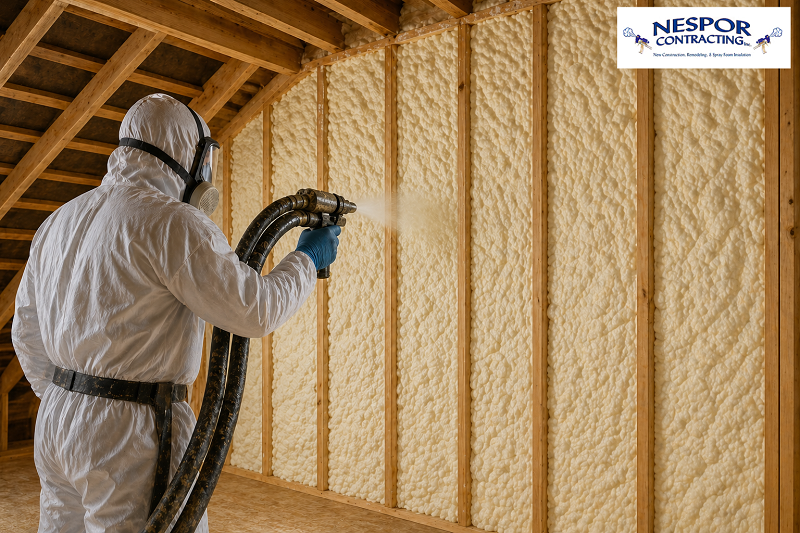
If you’re considering upgrading your home’s insulation in South Dakota, closed cell spray foam is likely on your radar. It’s not the cheapest option, and that’s exactly why many homeowners hesitate. But cost alone doesn’t tell the full story. What matters is how pricing varies, what you’re actually paying for, and whether the long-term benefits justify the upfront investment.
In 2026, insulation pricing has shifted slightly due to labor rates, material demand, and regional climate considerations. South Dakota, with its cold winters and temperature swings, creates a unique situation where insulation isn’t just about comfort—it’s about energy efficiency and structural protection. This guide breaks down real costs, what influences them, and what you should realistically expect when planning your project.
What Is Closed Cell Insulation and Why It Costs More
Closed cell spray foam insulation is a dense, rigid material that expands on application and forms an airtight seal. Unlike fiberglass or open-cell foam, it has a higher R-value per inch, meaning it insulates better in less space. It also adds structural strength and acts as a moisture barrier.
That performance comes at a price. The material itself is more expensive, and installation requires trained professionals using specialized equipment. It’s not a DIY-friendly solution, which increases labor costs. Still, many homeowners in colder regions choose it because it reduces heat loss significantly, especially in areas like basements, crawl spaces, and exterior walls.
In South Dakota, where winter heating bills can climb quickly, that efficiency often becomes the deciding factor.
Average Cost of Closed Cell Insulation in 2026
As of 2026, the average cost of closed cell insulation in South Dakota typically ranges between $1.50 to $3.50 per board foot. A board foot is one square foot of coverage at one inch thick.
For a more realistic breakdown:
- Small projects (like rim joists or crawl spaces): $1,500 to $4,000
- Medium projects (attics or partial homes): $5,000 to $12,000
- Full home insulation: $15,000 to $30,000+
These numbers vary depending on the thickness required. In colder climates like South Dakota, installers often recommend 2–3 inches or more, which increases total cost.
What catches many people off guard is how quickly costs scale. A slightly larger area or an extra inch of thickness can significantly raise the final price. That’s why getting a detailed estimate matters more than relying on averages.
Key Factors That Affect Pricing
1. Project Size and Complexity
The size of your project is the most obvious cost factor, but complexity matters just as much. A simple, open attic is easier and faster to insulate than tight wall cavities or uneven crawl spaces.
If your home has hard-to-reach areas, multiple levels, or existing insulation that needs removal, expect higher labor charges. Contractors factor in time, difficulty, and material waste.
2. Thickness of Application
Closed cell insulation is often applied in layers. In South Dakota, where winters are harsh, contractors may recommend thicker applications to meet energy efficiency standards.
While one inch might cost around $1.50 to $2.00 per board foot, increasing to three inches could push your total cost significantly higher. However, this also improves performance and reduces long-term heating expenses.
3. Labor Costs in South Dakota
Labor rates vary across the state, but in general, rural areas may have fewer contractors, which can affect pricing due to limited competition. On the other hand, urban areas might have higher base rates but more options to compare.
In 2026, labor costs have slightly increased due to demand for skilled installers. Spray foam requires certification and experience, and that expertise is reflected in the price.
4. Type of Property
Residential homes, commercial buildings, and agricultural structures all have different insulation needs. A barn or workshop might require less precision, while a residential home needs careful sealing to prevent air leaks.
Older homes in South Dakota often need additional preparation, such as removing outdated insulation or addressing moisture issues before installation begins. These extra steps add to the overall cost.
5. Seasonal Demand
Timing can influence pricing more than most people realize. Insulation projects tend to peak before winter, when homeowners prepare for colder weather.
Scheduling your project during off-peak seasons, like late spring or early summer, may help you secure better rates or faster service. Contractors are more flexible when demand is lower.
Cost Per Area: A Practical Example
Let’s break it down with a simple example.
If you’re insulating a 1,500 square foot attic and applying 2 inches of closed cell foam:
- Total board feet: 3,000
- Average cost per board foot: $2.50
- Estimated total: $7,500
This doesn’t include prep work or additional materials, which could add another $1,000 to $3,000 depending on the condition of the space.
Seeing the numbers this way makes it easier to understand where your money is going. It’s not just about square footage—it’s about depth, access, and preparation.
Long-Term Value vs Upfront Cost
Closed cell insulation isn’t cheap, and it’s important to acknowledge that upfront cost can feel overwhelming. But many homeowners don’t choose it for short-term savings.
The real value shows up over time:
- Lower heating and cooling bills
- Reduced air leakage
- Improved indoor comfort
- Increased home durability
In a state like South Dakota, where winters are long and temperatures drop significantly, energy efficiency isn’t optional—it’s necessary. Closed cell insulation helps stabilize indoor temperatures and reduces strain on HVAC systems.
Some homeowners report noticeable reductions in energy bills within the first year. While it may take several years to fully offset the initial cost, the comfort and efficiency benefits are immediate.
Is Closed Cell Insulation Worth It in South Dakota?
This depends on your priorities. If your goal is the lowest upfront cost, traditional insulation options like fiberglass will always be cheaper.
But if you’re focused on performance, durability, and long-term savings, closed cell insulation offers clear advantages. It performs well in extreme climates, resists moisture, and provides structural support that other materials don’t.
Homes in South Dakota often deal with temperature fluctuations, wind exposure, and moisture challenges. Closed cell insulation addresses all three, making it a practical choice despite the higher price.
Tips to Manage and Reduce Costs
If you’re planning a project, there are ways to keep costs under control without compromising quality.
Start by focusing on priority areas. You don’t always need to insulate the entire house at once. Target spaces where heat loss is most significant, such as attics, basements, or rim joists.
Get multiple quotes from local contractors. Pricing can vary more than expected, and comparing estimates helps you understand what’s reasonable.
Ask about energy rebates or incentives. Some programs offer financial support for energy-efficient upgrades, which can offset part of the cost.
Finally, plan ahead. Waiting until peak season can limit your options and increase prices. Scheduling early gives you more flexibility and control.
Common Mistakes to Avoid
One common mistake is choosing the lowest quote without understanding what’s included. Cheaper estimates may use less material, apply thinner layers, or skip important prep work.
Another issue is underestimating the importance of proper installation. Even the best insulation won’t perform well if it’s applied incorrectly. Always choose experienced professionals, even if it costs slightly more.
Homeowners also sometimes over-insulate areas that don’t require it while ignoring problem spots. A balanced approach works better than simply adding more material everywhere.
Conclusion
Closed cell insulation in South Dakota isn’t a small investment, but it’s one that needs to be viewed in context. The upfront cost reflects both the material quality and the expertise required for installation.
In 2026, pricing remains steady but influenced by labor demand, project complexity, and regional climate needs. Most homeowners can expect to pay anywhere from a few thousand dollars for smaller projects to over $20,000 for full-home applications.
What matters more than the number is the outcome. Better insulation means lower energy bills, improved comfort, and a home that performs well through South Dakota’s demanding seasons.
If you approach the project with clear expectations, compare estimates carefully, and focus on long-term value, closed cell insulation becomes less of a cost and more of a strategic upgrade.