 (605) 840-1531
  sanespor@gwtc.net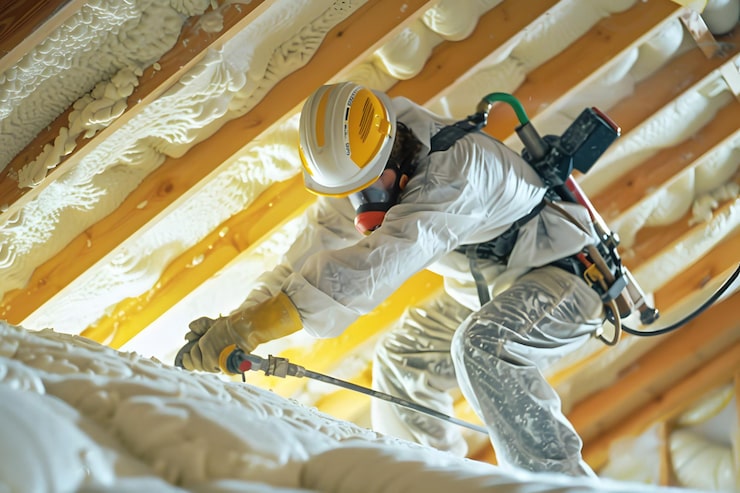
If you live or operate a business in South Dakota, you already understand how extreme the weather can be. Winters are long, dry, and brutally cold, while summers can bring heat and humidity that push cooling systems to their limits. In this kind of climate, insulation is not just a building feature—it’s a necessity. That’s where Spray Foam Insulation South Dakota solutions stand out.
Spray foam has gained strong popularity across both residential and commercial properties because it does more than just insulate. It seals gaps, controls moisture, and improves indoor comfort year-round. Whether you are building a new home, upgrading an office space, or retrofitting an older property, choosing the right insulation can directly affect energy costs, structural durability, and indoor air quality.
This guide breaks down everything you need to know—from how spray foam works to why it’s particularly effective in South Dakota’s climate. The goal is simple: give you clear, practical insight so you can make a confident, informed decision without the marketing noise.
What Is Spray Foam Insulation and How It Works
Spray foam insulation is a two-component material that expands when applied, forming a dense, air-sealed barrier. Unlike traditional insulation like fiberglass or cellulose, it doesn’t just sit in place—it actively fills cracks, gaps, and cavities, creating a continuous layer of protection.
There are two main types used in Spray Foam Insulation South Dakota projects: open-cell and closed-cell foam. Open-cell foam is lighter and more flexible, making it suitable for interior walls and soundproofing applications. Closed-cell foam, on the other hand, is denser and provides a higher insulation value per inch, along with added moisture resistance. This makes it especially useful for exterior walls, basements, and roofing systems.
The key advantage lies in its air-sealing ability. In South Dakota, where cold air infiltration in winter and heat gain in summer are constant challenges, even small leaks can significantly impact energy use. Spray foam expands into tight spaces, eliminating these leaks and creating a more controlled indoor environment. Over time, this translates into lower heating and cooling costs, fewer drafts, and a more consistent temperature throughout the building.
Why Spray Foam Performs Well in South Dakota’s Climate
South Dakota’s climate is not forgiving, and insulation systems need to handle both ends of the temperature spectrum. Spray foam performs particularly well here because it addresses multiple challenges at once—thermal insulation, air sealing, and moisture control.
During winter, cold air can penetrate poorly insulated structures, forcing heating systems to work harder. Spray foam minimizes this by creating an airtight seal that keeps warm air inside. In summer, it helps prevent hot outdoor air from entering, reducing the load on cooling systems. This dual performance is critical in a state where temperature swings can be extreme.
Moisture is another concern, especially in basements and crawl spaces. Closed-cell spray foam acts as a vapor barrier, reducing the risk of condensation, mold growth, and structural damage. This is particularly important in commercial buildings where moisture issues can lead to costly repairs and downtime.
Wind is also a factor in South Dakota. Traditional insulation materials can allow air movement through walls, reducing their effectiveness. Spray foam, however, adheres directly to surfaces and does not shift or settle over time, maintaining its performance even under challenging conditions.
Residential Applications and Benefits
Homeowners across South Dakota are increasingly turning to spray foam for both new construction and renovation projects. The benefits go beyond just energy savings—they impact comfort, durability, and even property value.
One of the most noticeable improvements is indoor comfort. Homes insulated with spray foam tend to have fewer cold spots in winter and less heat buildup in summer. Rooms maintain a more stable temperature, which makes living spaces feel more consistent and comfortable.
Energy efficiency is another major advantage. By reducing air leakage, spray foam can significantly lower heating and cooling costs. While the upfront cost is higher than traditional insulation, many homeowners find that the long-term savings offset the initial investment.
Spray foam also contributes to better indoor air quality. By sealing gaps, it prevents dust, pollen, and outdoor pollutants from entering the home. This can be especially beneficial for families dealing with allergies or respiratory issues.
In addition, spray foam adds structural strength, particularly in closed-cell applications. It bonds to walls and roofs, increasing overall rigidity. For homes in areas exposed to strong winds, this can provide an added layer of resilience.
Commercial Applications and Practical Advantages
For commercial properties, insulation decisions are often driven by long-term operational costs and building performance. Spray foam aligns well with these priorities, making it a practical choice for offices, warehouses, retail spaces, and agricultural buildings.
Energy efficiency is a primary concern for businesses, and spray foam delivers measurable results. By reducing air leakage and improving thermal performance, it helps lower utility bills and creates a more predictable energy profile. This is especially valuable for large buildings where heating and cooling costs can quickly escalate.
Durability is another key factor. Spray foam does not sag, settle, or degrade like some traditional materials. Once installed, it maintains its shape and effectiveness for years with minimal maintenance. This reliability reduces the need for frequent repairs or replacements.
In commercial settings, moisture control is critical. Closed-cell spray foam helps prevent water intrusion and condensation, protecting equipment, inventory, and structural components. This is particularly important in agricultural facilities and storage units where environmental control directly affects product quality.
Noise reduction can also be a benefit, especially in office environments. Open-cell spray foam absorbs sound, creating quieter and more comfortable workspaces. While this may not be the primary reason for installation, it adds value in multi-use or high-traffic areas.
Installation Process and What to Expect
The effectiveness of Spray Foam Insulation South Dakota projects depends heavily on proper installation. This is not a DIY-friendly material—it requires trained professionals with the right equipment and experience.
The process begins with a thorough inspection of the property. Contractors assess the structure, identify problem areas, and recommend the appropriate type of foam. Preparation is important, as surfaces need to be clean and dry for proper adhesion.
During installation, the foam is sprayed onto surfaces where it expands rapidly, filling gaps and forming a solid layer. The process can be quick, but it requires precision to ensure even coverage and correct thickness. After application, the foam cures and hardens, creating a durable insulation barrier.
Ventilation is managed carefully during installation, as the materials release fumes while curing. Professional installers follow safety guidelines to protect both workers and occupants. Once the curing process is complete, the space is safe to use.
It’s worth noting that quality matters more than speed. A well-installed spray foam system will perform consistently for years, while poor installation can lead to gaps, uneven coverage, and reduced effectiveness.
Cost Considerations and Long-Term Value
One of the most common concerns about spray foam is cost. It is typically more expensive upfront compared to traditional insulation options. However, focusing only on initial price can be misleading.
The long-term value of spray foam comes from energy savings, reduced maintenance, and improved building performance. Lower heating and cooling costs can add up significantly over time, especially in a climate like South Dakota’s. Many property owners find that the investment pays for itself within a few years.
In addition to energy savings, spray foam can increase property value. Buyers and tenants often prioritize energy-efficient buildings, and high-quality insulation can be a strong selling point. For commercial properties, it can also contribute to sustainability goals and operational efficiency.
Maintenance costs are generally lower as well. Because spray foam does not settle or degrade easily, it requires fewer repairs compared to traditional insulation. This reliability adds to its overall cost-effectiveness.
When evaluating cost, it’s important to consider the full picture—installation quality, expected lifespan, and potential savings. In many cases, spray foam proves to be a practical and financially sound choice.
Choosing the Right Contractor in South Dakota
Selecting the right contractor is just as important as choosing the insulation itself. Experience, training, and attention to detail all play a role in the final outcome.Look for contractors who specialize in Spray Foam Insulation South Dakota projects and have a proven track record. Ask about certifications, past work, and the types of materials they use. A reliable contractor should be willing to explain the process clearly and provide realistic expectations.
It’s also helpful to request a detailed estimate that outlines costs, materials, and scope of work. Avoid unusually low bids, as they may indicate shortcuts or lower-quality materials. Proper installation requires skill and precision, and it’s worth investing in a team that does the job right.
Communication matters as well. A good contractor will address your concerns, answer questions, and keep you informed throughout the process. This level of transparency builds trust and helps ensure a smooth experience from start to finish.
Conclusion
Spray foam insulation has become a practical solution for both residential and commercial properties in South Dakota, and for good reason. It goes beyond basic insulation by sealing air leaks, controlling moisture, and improving overall building performance. In a state where weather conditions can be harsh and unpredictable, these benefits are not just convenient—they are essential.
Whether you’re a homeowner looking to improve comfort or a business aiming to reduce operating costs, Spray Foam Insulation South Dakota offers a reliable, long-term solution. The initial investment may be higher, but the returns in energy efficiency, durability, and indoor quality make it a worthwhile choice.
At the end of the day, insulation is not something you want to revisit frequently. Choosing a solution that performs consistently over time gives you peace of mind and allows you to focus on what matters most—whether that’s running a business or simply enjoying a comfortable home.