 (605) 840-1531
  sanespor@gwtc.net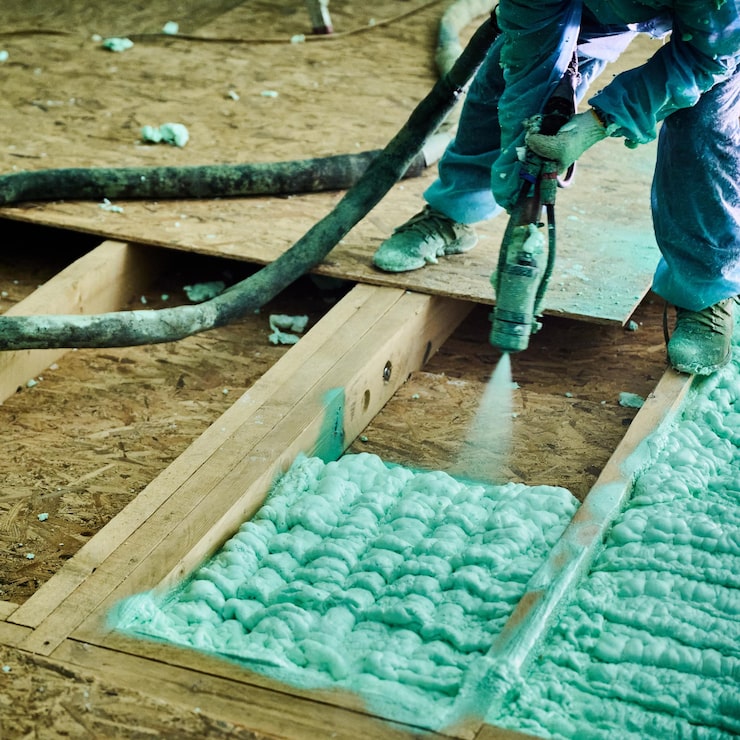
closedIf you live in South Dakota, you already understand how unpredictable and extreme the weather can be. From freezing winters with biting winds to warm, humid summers, maintaining a comfortable indoor temperature isn’t just about convenience—it’s about survival and energy efficiency. That’s where Spray Foam Services in South Dakota come into play.
Over the years, spray foam insulation has transformed from a premium option into a practical, long-term solution for homeowners who want better comfort, lower energy bills, and improved home durability. In 2026, with rising energy costs and increased awareness around sustainability, more South Dakota residents are turning to this advanced insulation method.
This guide walks you through everything you need to know—benefits, types, costs, and expert insights—to help you make the best decision for your home.
What Is Spray Foam Insulation?
Spray foam insulation is a chemical product created by mixing and reacting two materials—polyol resin and isocyanate. When combined, they expand into a foam that fills gaps, cracks, and cavities, creating an airtight seal.
Unlike traditional insulation like fiberglass or cellulose, spray foam doesn’t just slow down heat transfer—it actively blocks air leaks. This makes it one of the most efficient insulation methods available today.
Why Spray Foam Works So Well in South Dakota
South Dakota’s climate is one of the biggest reasons homeowners are upgrading their insulation. The region experiences:
- Harsh winters with sub-zero temperatures
- Strong winds that cause air infiltration
- Seasonal humidity changes
- Rapid temperature fluctuations
Spray foam insulation directly addresses these challenges by forming a tight barrier that keeps indoor air stable and outside air where it belongs.
Key Benefits for South Dakota Homes
1. Superior Energy Efficiency
Heating costs during winter can skyrocket. Spray foam minimizes heat loss, helping homeowners cut energy bills by up to 30–50% in many cases.
2. Airtight Seal
Drafty homes are common in older South Dakota properties. Spray foam fills even the smallest gaps, eliminating drafts completely.
3. Moisture Resistance
South Dakota homes can face moisture issues due to snow and humidity. Closed-cell spray foam acts as a moisture barrier, reducing the risk of mold.
4. Improved Indoor Comfort
No more cold spots in winter or overheated rooms in summer. Spray foam creates a consistent indoor temperature throughout the home.
5. Long-Term Durability
Unlike traditional insulation that settles over time, spray foam retains its shape and performance for decades.
Types of Spray Foam Insulation
Understanding the different types of spray foam is crucial before choosing a service provider.
Open-Cell Spray Foam
- Light and flexible
- Expands significantly to fill gaps
- Best for interior walls and soundproofing
- More affordable than closed-cell
Best Use: Interior walls, attics, and areas where sound reduction is important.
Closed-Cell Spray Foam
- Dense and rigid
- Higher insulation value (R-value)
- Acts as a vapor barrier
- Adds structural strength
Best Use: Exterior walls, basements, roofs, and areas exposed to moisture.
Where Can Spray Foam Be Applied?
One of the biggest advantages of Spray Foam Services in South Dakota is versatility. It can be applied in various parts of your home:
Attics
Heat rises, and without proper insulation, your attic can become a major source of energy loss. Spray foam seals it completely.
Walls
Whether new construction or retrofitting, spray foam provides better insulation than traditional materials.
Basements and Crawl Spaces
These areas are prone to moisture and drafts. Closed-cell foam works especially well here.
Roofs
Spray foam can be applied directly to the underside of the roof, improving energy efficiency and preventing leaks.
Garages
Helps regulate temperature and reduces noise, especially if attached to the home.
Cost of Spray Foam Services in 2026
Cost is often the biggest concern for homeowners. While spray foam has a higher upfront cost compared to fiberglass, the long-term savings usually outweigh the initial investment.
Average Cost in South Dakota
- Open-cell foam: $1.50 – $3.50 per sq. ft.
- Closed-cell foam: $3.00 – $7.00 per sq. ft.
What Affects Pricing?
- Size of the area
- Type of foam used
- Accessibility of installation area
- Labor and expertise of the contractor
- Preparation and cleanup requirements
Is It Worth the Investment?
Absolutely. Many homeowners recover the cost within a few years through reduced energy bills. Plus, it increases property value and reduces maintenance expenses.
Professional vs DIY Installation
While DIY kits are available, spray foam insulation is not a beginner-friendly project.
Why You Should Hire Professionals
- Proper mixing and application are critical
- Safety equipment is required
- Professionals ensure even coverage
- Avoid costly mistakes and rework
Experienced contractors offering Spray Foam Services in South Dakota understand local climate challenges and building codes, ensuring a high-quality installation.
How to Choose the Right Spray Foam Contractor
Choosing the right professional can make all the difference. Here are some tips:
1. Check Experience
Look for contractors with proven experience in spray foam insulation, especially in South Dakota.
2. Ask for Certifications
Ensure they are licensed and trained in spray foam application.
3. Read Reviews
Customer feedback can reveal a lot about reliability and service quality.
4. Request a Detailed Quote
A trustworthy contractor will provide a clear breakdown of costs and materials.
5. Ask About Warranty
Reputable companies offer warranties on both materials and workmanship.
Energy Efficiency and Environmental Impact
In 2026, energy efficiency isn’t just about saving money—it’s about sustainability.
Spray foam insulation helps reduce your carbon footprint by:
- Lowering energy consumption
- Reducing reliance on heating and cooling systems
- Improving overall home efficiency
Many modern spray foam products are also designed with eco-friendly formulations, making them safer for both homeowners and the environment.
Common Myths About Spray Foam Insulation
Myth 1: It’s Too Expensive
While the upfront cost is higher, the long-term savings make it cost-effective.
Myth 2: It’s Only for New Homes
Spray foam can be installed in both new constructions and existing homes.
Myth 3: It’s Unsafe
When installed properly by professionals, spray foam is completely safe.
Myth 4: It Doesn’t Last Long
Spray foam can last over 20–30 years without losing performance.
Expert Tips for Homeowners in South Dakota
- Seal Before Winter: Install insulation before extreme cold hits for maximum efficiency.
- Focus on Problem Areas: Attics and basements often provide the biggest return on investment.
- Combine with Ventilation: Proper ventilation ensures optimal indoor air quality.
- Schedule Regular Inspections: Even durable insulation benefits from periodic checks.
Conclusion
Choosing Spray Foam Services in South Dakota is more than just an upgrade—it’s a long-term investment in your home’s comfort, efficiency, and durability. With extreme weather conditions becoming more unpredictable, having reliable insulation is no longer optional.
Spray foam stands out as one of the most effective solutions available in 2026. It seals your home, protects against moisture, reduces energy bills, and creates a comfortable living environment year-round.
If you’re planning to improve your home’s insulation, now is the perfect time to explore spray foam. Work with experienced professionals, understand your needs, and make a decision that will benefit you for decades.
Your home deserves to be warm in winter, cool in summer, and efficient every day—and spray foam insulation makes that possible.