 (605) 840-1531
  sanespor@gwtc.net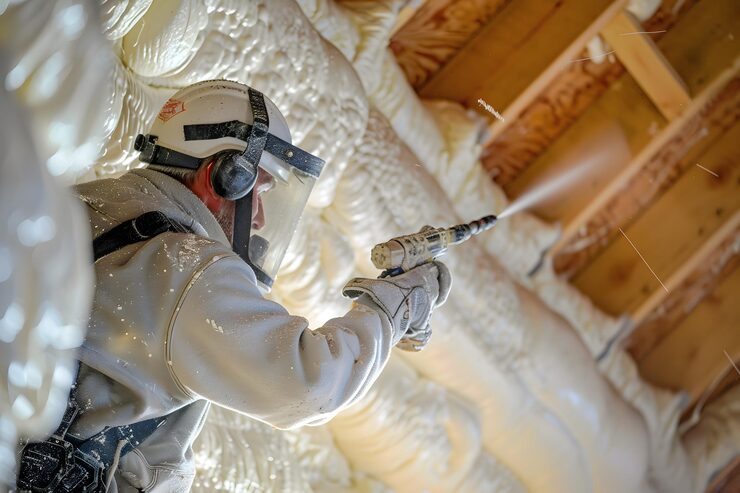
Winters here don’t play around. Anyone who has lived through a Sioux Falls blizzard or a Rapid City cold snap knows that a house is only as good as what’s inside its walls. You can have the nicest siding, the newest windows, and a furnace that runs nonstop, but if your insulation isn’t doing its job, you’re still going to feel that draft creeping in around 2 a.m. when the wind chill drops below zero.
That’s the conversation homeowners across the state have been having more and more lately, and it usually leads to the same question: is it worth upgrading to spray foam? After working with hundreds of families through Nespor Contracting Inc, the short answer is yes, almost every time. But rather than just telling you to trust us, let’s actually walk through what makes this material different, and why it fits South Dakota’s climate so well.
What Makes Spray Foam Insulation Different
Traditional fiberglass batts sit in your walls like a blanket. They slow down heat transfer, sure, but they don’t seal anything. Air still sneaks through gaps, seams, outlets, and framing joints. Spray Foam Insulation works differently. It’s applied as a liquid that expands on contact, filling every crack and crevice it touches, then hardens into a solid barrier that blocks both air and moisture. That single difference, sealing instead of just slowing, is why so many South Dakota homeowners are making the switch, especially in older farmhouses and homes built before energy codes tightened up.
Now let’s get into the actual benefits, because there are more of them than most people expect.
1. Serious Reduction in Heating and Cooling Bills
This is usually the first thing people notice, and it’s the reason most calls to our office start. When Spray Foam Insulation is installed correctly, it creates an air-tight envelope around your living space. That means your furnace isn’t fighting a losing battle against cold air leaking in through the rim joists or attic. Homeowners we’ve worked with in Pierre and Aberdeen have reported noticeably lower utility bills within the first winter after installation. It’s not magic, it’s just physics. Less air movement means your HVAC system runs less often and works less hard when it does run.
2. It Handles South Dakota’s Extreme Temperature Swings
We go from ninety-degree summers to negative windchills in the same calendar year, sometimes in the same month if you count a rogue October cold front. Most insulation materials weren’t designed with that kind of swing in mind. Spray foam holds its R-value consistently regardless of outdoor temperature, unlike fiberglass, which can lose effectiveness when it gets compressed, damp, or exposed to drafts. For a state with this kind of climate volatility, that consistency matters more than people realize until they’ve lived without it.
3. Moisture Control That Protects Your Home’s Structure
Moisture is quietly one of the most damaging things that can happen to a house, and it’s often invisible until it’s already caused rot, mold, or structural weakening. Closed-cell spray foam acts as a vapor barrier, which helps keep humidity from migrating into wall cavities and attic spaces where it can condense and cause long-term damage. Given how much freeze-thaw cycling South Dakota homes go through each year, this kind of protection isn’t a luxury, it’s practical maintenance for the bones of your house.
4. Air Sealing That Actually Improves Indoor Air Quality
Here’s something people don’t think about right away: a leaky house doesn’t just let heat escape, it lets pollen, dust, exhaust fumes, and outdoor allergens in too. When you seal your home properly, you gain more control over what air actually circulates inside. Combined with a good ventilation system, this can make a noticeable difference for households with allergy sufferers or family members with respiratory sensitivities. It’s one of those benefits that isn’t obvious on a utility bill but shows up in how the house actually feels to live in.
5. Added Structural Strength
Closed-cell Spray Foam Insulation isn’t just an air barrier, it also adds rigidity to the wall and roof assemblies it’s applied to. In a state where high winds and hailstorms are a regular part of life, that extra structural support is a genuine advantage. It won’t replace proper framing or roofing work, but it does add a layer of resilience that fiberglass and cellulose simply can’t offer.
6. Pest Resistance You Don’t Get With Traditional Insulation
Mice, in particular, love the gaps and pockets that traditional insulation leaves behind. Once foam cures, it forms a solid, dense barrier that pests have a much harder time chewing through or nesting inside. For rural South Dakota properties, especially older farmhouses near open fields, this is a practical benefit that homeowners bring up constantly during consultations.
7. Long-Term Value and Return on Investment
Yes, the upfront cost of spray foam is higher than fiberglass. That’s the honest truth, and any contractor who tells you otherwise isn’t being straight with you. But when you factor in energy savings, reduced maintenance, moisture protection, and the fact that it doesn’t sag, settle, or need replacing every couple decades, the long-term math tends to favor spray foam. Homeowners planning to stay in their house for years, or those preparing it for resale, often find the investment pays for itself faster than expected.
8. Noise Reduction Between Rooms and From Outside
This one surprises people. Because foam fills gaps so thoroughly, it also dampens sound transmission, both from outside noise like traffic or wind, and between interior rooms. If you’ve got a home office, a nursery, or just want a quieter living room during a windy South Dakota afternoon, this is a nice secondary benefit that often gets overlooked in the sales pitch but genuinely improves day-to-day comfort.
9. Environmental Benefits Through Lower Energy Consumption
A tighter, better-insulated home simply uses less energy, which means a smaller carbon footprint over time. For homeowners who care about sustainability but aren’t ready to install solar panels or make other major changes, upgrading insulation is one of the most cost-effective ways to reduce a household’s overall energy demand. It’s a quiet, background kind of environmental impact, but it adds up year after year.
Is Spray Foam Insulation Right for Every South Dakota Home
Honestly, not every project calls for it. Older homes with unique framing, tight budgets, or specific ventilation needs sometimes benefit more from a hybrid approach, combining spray foam in key areas like rim joists and attics with traditional insulation elsewhere. That’s part of why an in-person evaluation matters so much. At Nespor Contracting Inc, we walk through the property, check for existing moisture issues, and talk through the homeowner’s actual goals before recommending anything. A cookie-cutter answer doesn’t serve anyone well when every house has its own quirks.
Final Thoughts
If there’s one thing years of working on South Dakota homes has taught us, it’s that insulation is one of those upgrades people wait too long to think about. It’s not glamorous. Nobody shows off their attic to house guests. But it quietly affects comfort, air quality, energy bills, and the long-term health of the structure every single day. Spray Foam Insulation isn’t the right fit for every situation, but for homeowners dealing with drafty rooms, high heating bills, or moisture concerns, it’s one of the most effective upgrades available today. If you’re weighing your options, it’s worth getting a professional assessment before winter sets in again, because once that first cold front rolls through, you’ll be glad you made the call early rather than waiting until the pipes start complaining.